2 hr
Operation Dynamo Historical Battlefield Experience
- Entry ticket
- Mobile voucher
- Valid same day
- Free cancellation
Dunkirk Battlefield Tours — Private Guiding on the Operation Dynamo Coast
The sand keeps the tide line, the dunes keep the rest.
Compare fares, pick the fit — all bookings are mobile-voucher and eligible for free cancellation where shown.
2 hr
9 hr
50 min
| Experience | From | Duration | Rating | Lunch | Guide | Free cancel. | Price | |
|---|---|---|---|---|---|---|---|---|
|
Standard Entry
Most popular
Operation Dynamo Historical Battlefield Experience
|
— | 2 hr | ★ 5.0 | — | ✓ | ✓ | €160 | Book → |
|
Guided Experience
Flanders Fields WWI Battlefields Day Trip from Bruges with Lunch
|
Bruges | 9 hr | ★ 4.9 | ✓ | ✓ | ✓ | €111 | Book → |
|
Standard Entry
Medieval Ghent Canal Cruise with Live Commentary
|
— | 50 min | ★ 4.5 | — | — | ✓ | €11 | Book → |
Worth it for groups of three or more
You pay 160 EUR flat for the private tour, per group — not per head. That single figure is what makes dunkirk battlefield tours defensible: split four ways it lands near 40 EUR each, cheaper than most guided days out on the Opal Coast, while a solo traveller absorbs the whole 160 EUR and would do better reading on the Mole alone. What the money buys is narration you cannot self-generate: a guide who can stand on the East Mole and explain why the little ships queued where they did, connect Operation Dynamo to the dune positions at Bray-Dunes, and place the Allied rearguard in ground you would otherwise walk past as ordinary beach. Self-guided exploration of Dunkirk landmarks costs nothing and gets you the sand; a Dunkerque battlefield tour gets you the sequence. Families, veterans' descendants and anyone with a serious interest in the 1940 evacuation get the clearest return.
Bottom line: Book the dunkirk battlefield tours tickets if you are three or more and want the 1940 evacuation explained on the ground — otherwise walk the beach yourself and save the fee.
Hand-picked experiences loved by thousands of travelers
2 - 3 hours
Free Cancellation
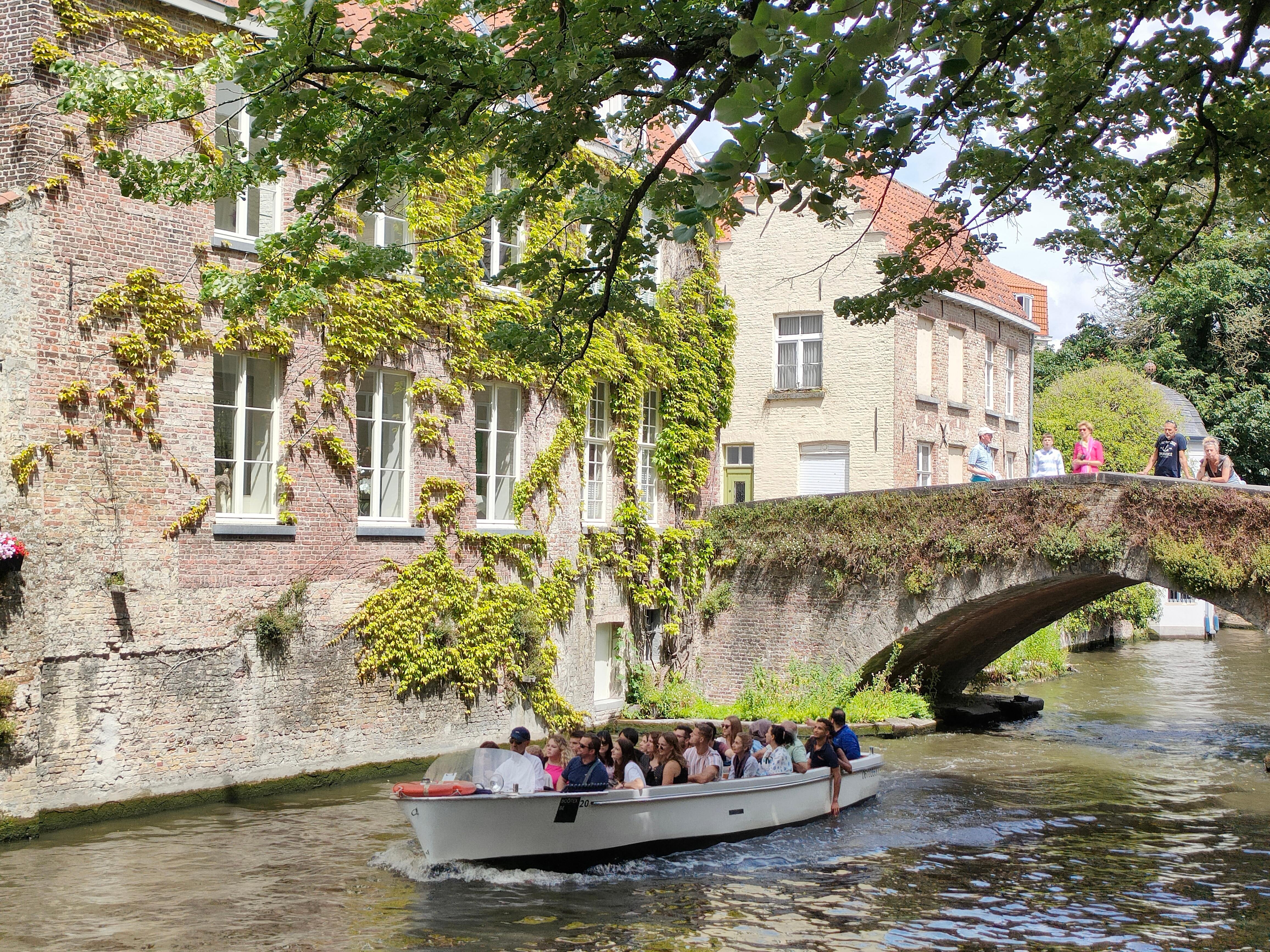
Discover medieval Bruges with a local expert, savor Belgian chocolate, and choose canal or beer add-ons
2.5 hours
Free Cancellation
Explore medieval Bruges on foot and by water with a local guide, plus artisan chocolate sampling
30 minutes to 1.5 hours
Free Cancellation
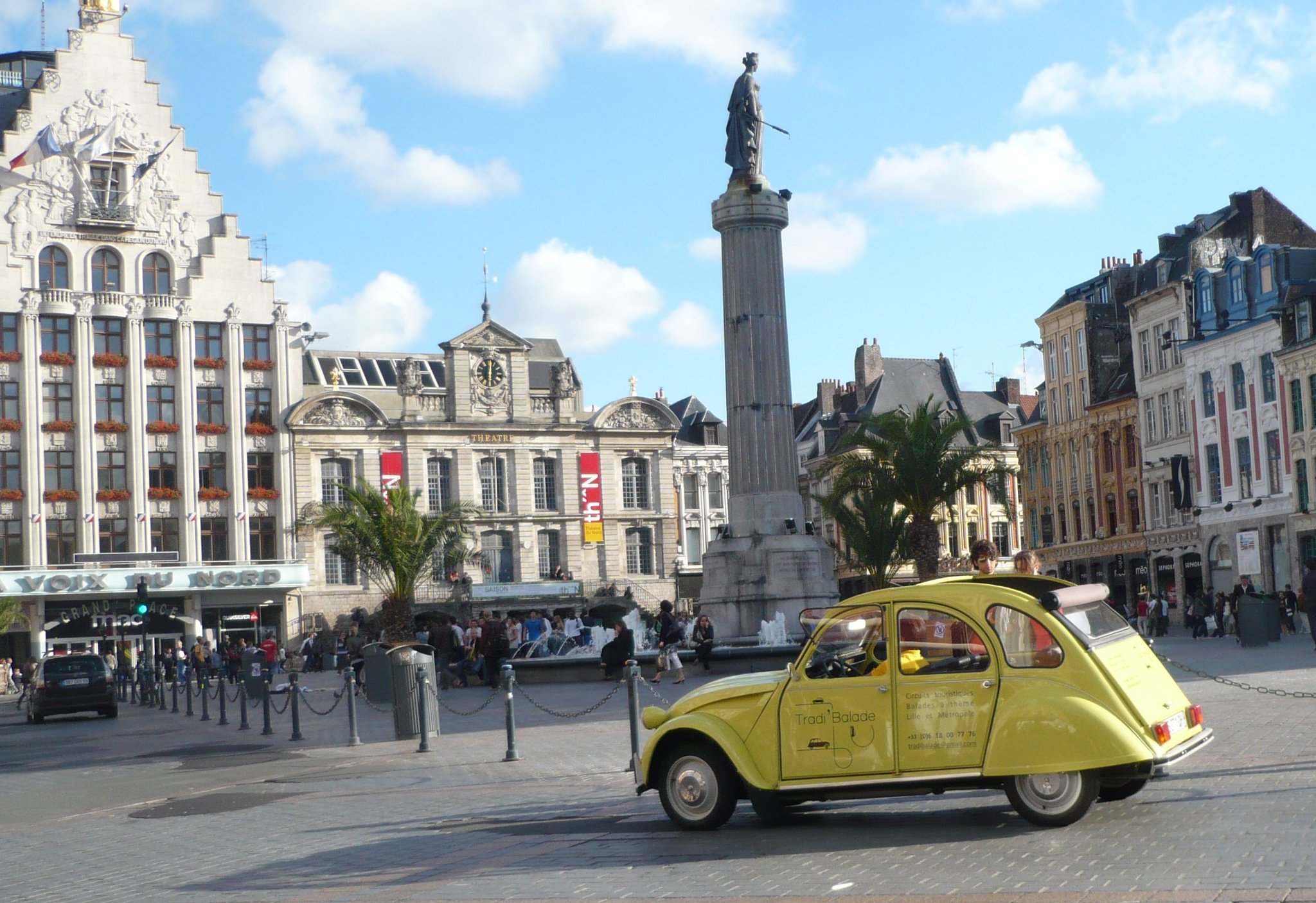
Explore Lille's charming streets aboard France's most iconic retro automobile with a knowledgeable local guide
75 minutes
Free Cancellation
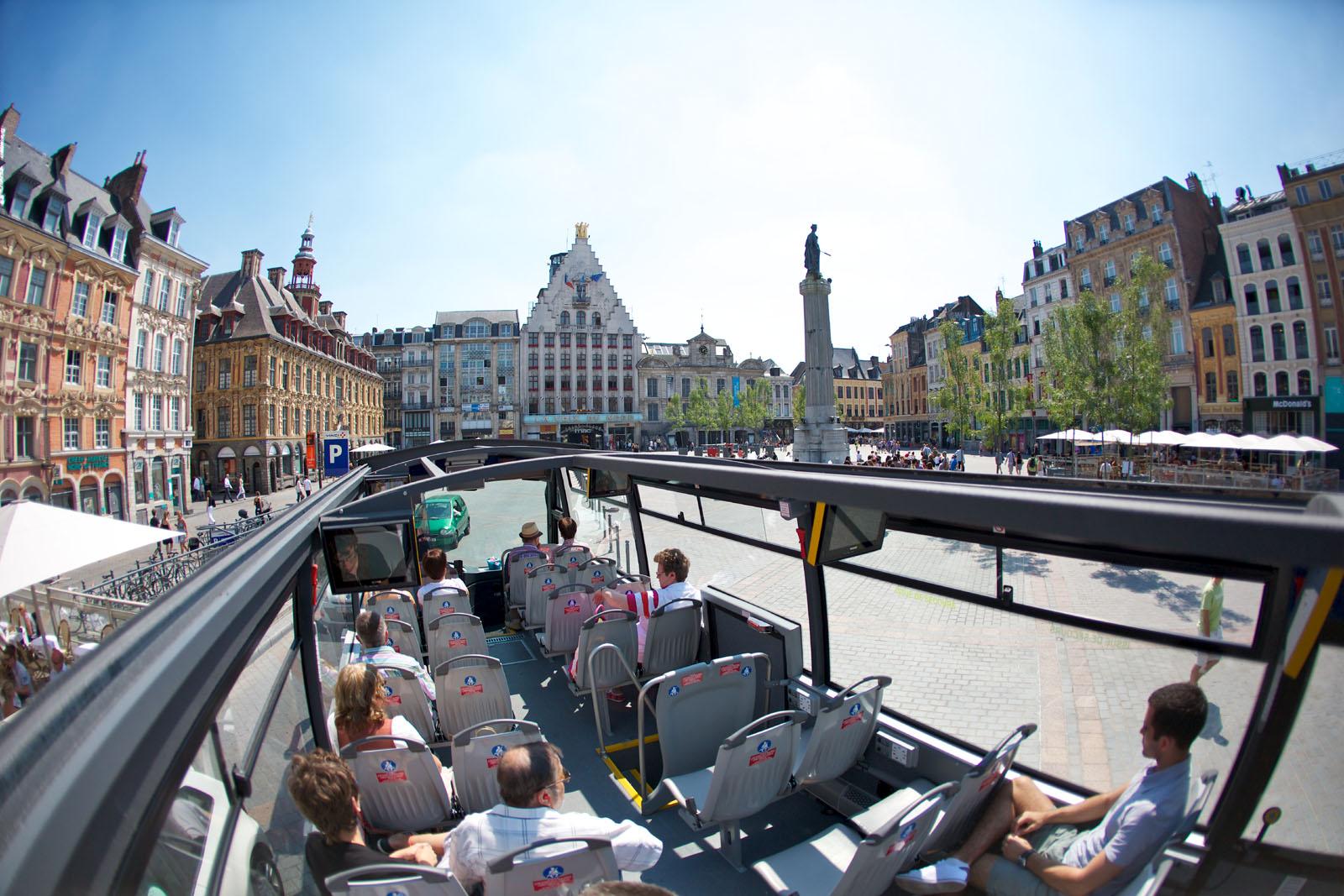
Explore Lille's iconic landmarks and neighborhoods from a comfortable minibus with multilingual guides
2 hours
Free Cancellation
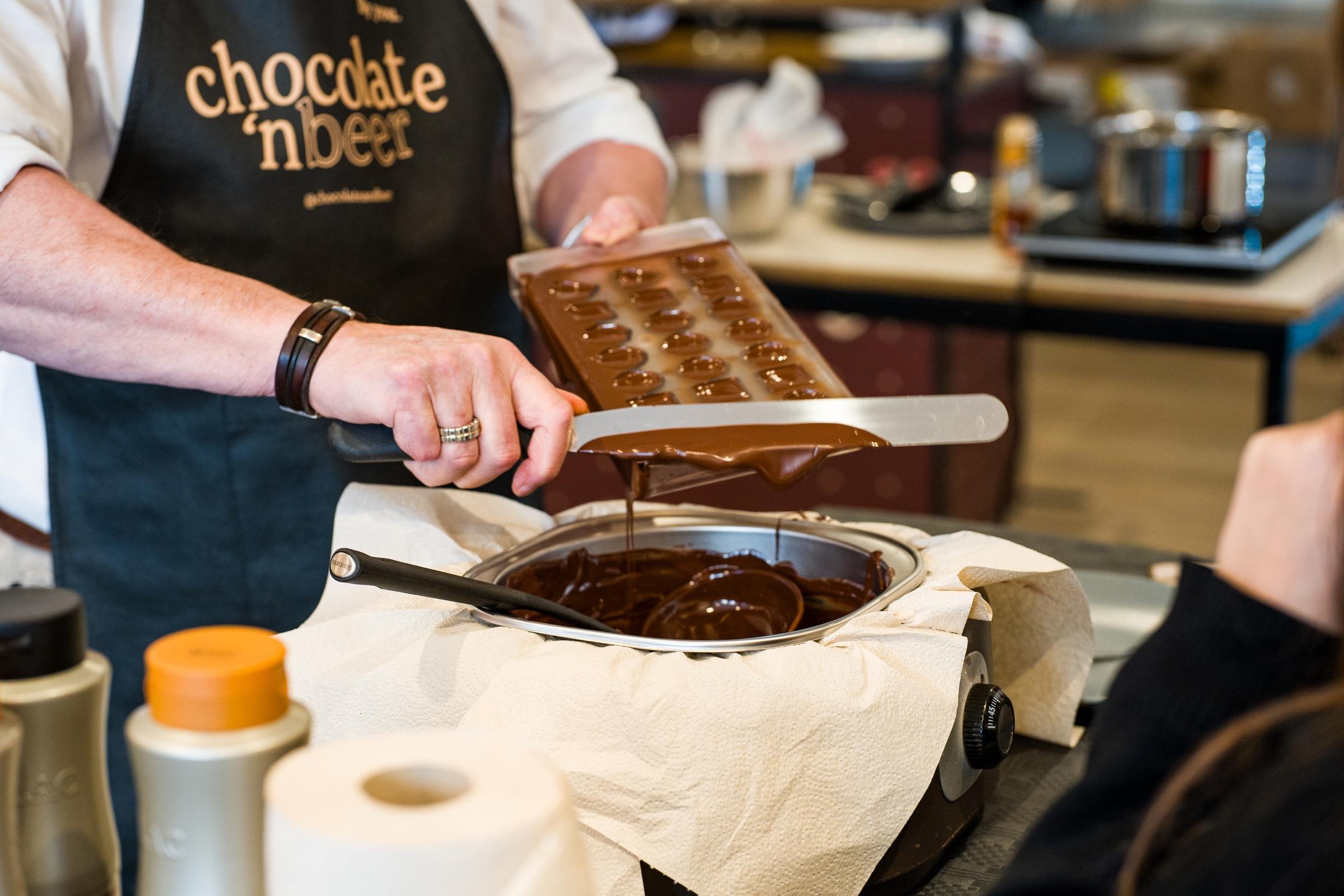
Craft authentic Belgian pralines while sampling local beers in a hands-on 2-hour workshop
20 minutes each way
Free Cancellation
Convenient round-trip shuttle linking the cruise terminal with Bruges' medieval center every half hour
2 hours
Free Cancellation
Discover medieval Bruges with a local guide, visit sacred chapels, and enjoy a complimentary Belgian truffle
Overview of the evacuation and the Dunkirk Spirit at the meeting point.
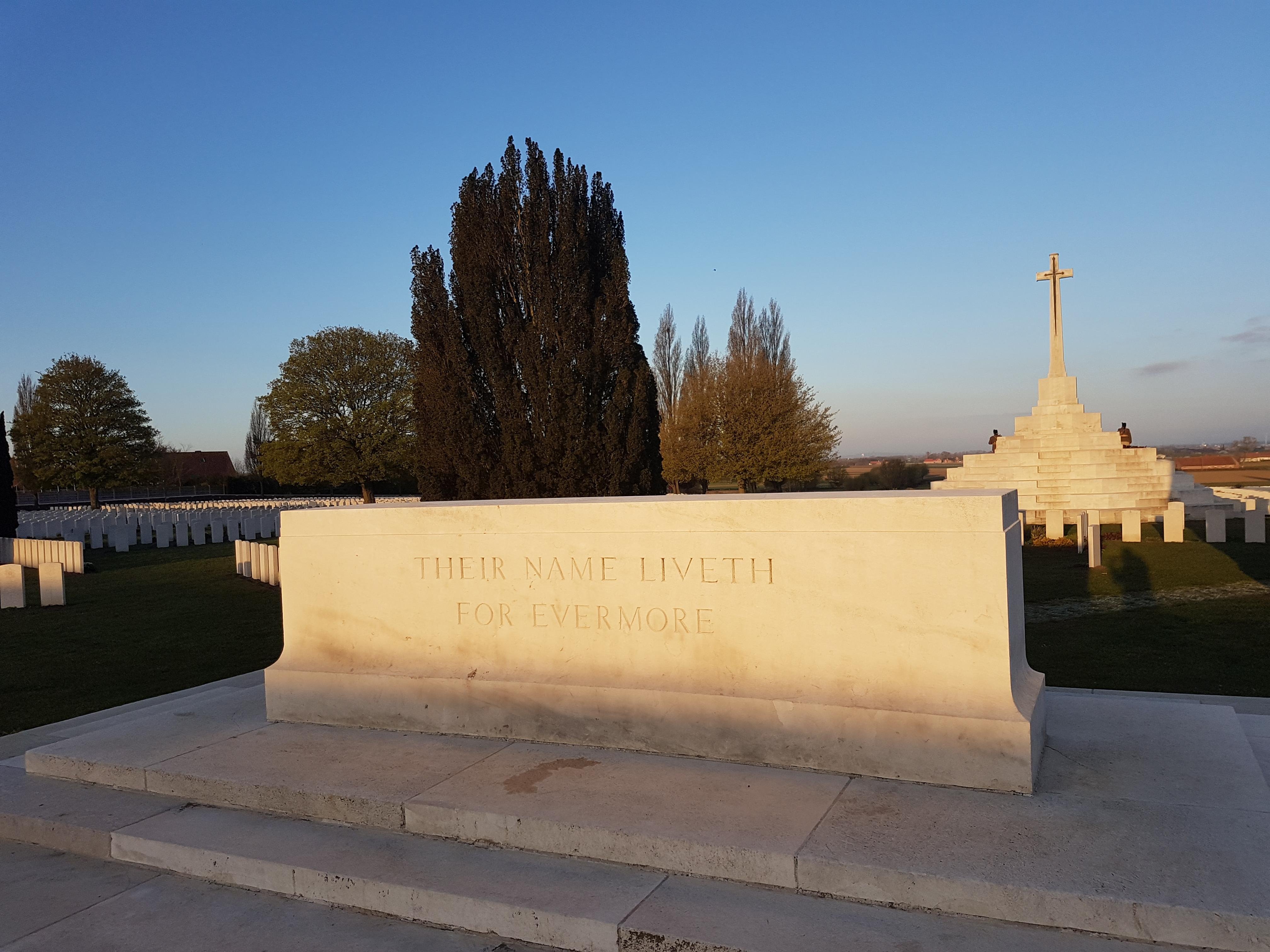
Pay respects at the Commonwealth War Graves site.
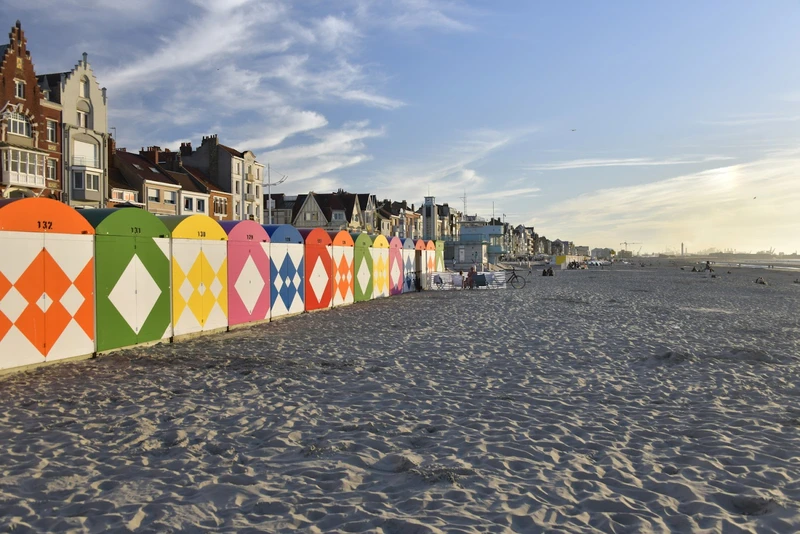
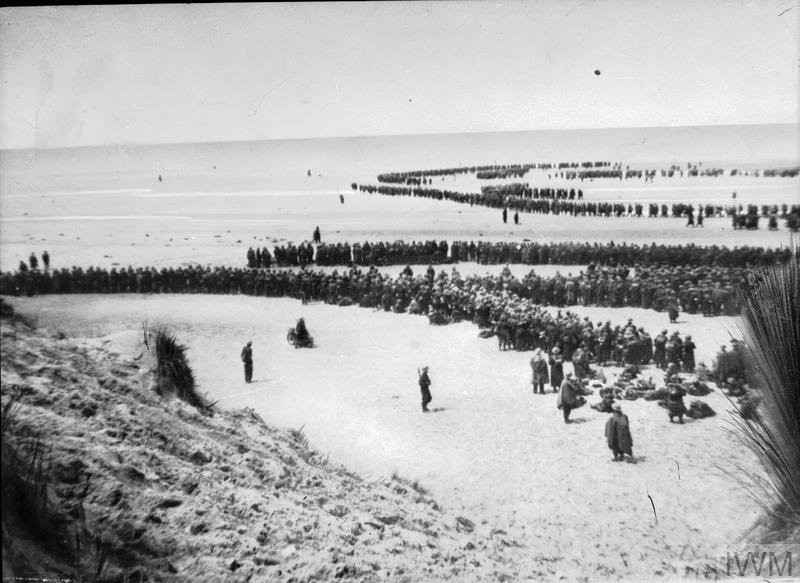
Walk the historic evacuation sands of Malo-les-Bains.
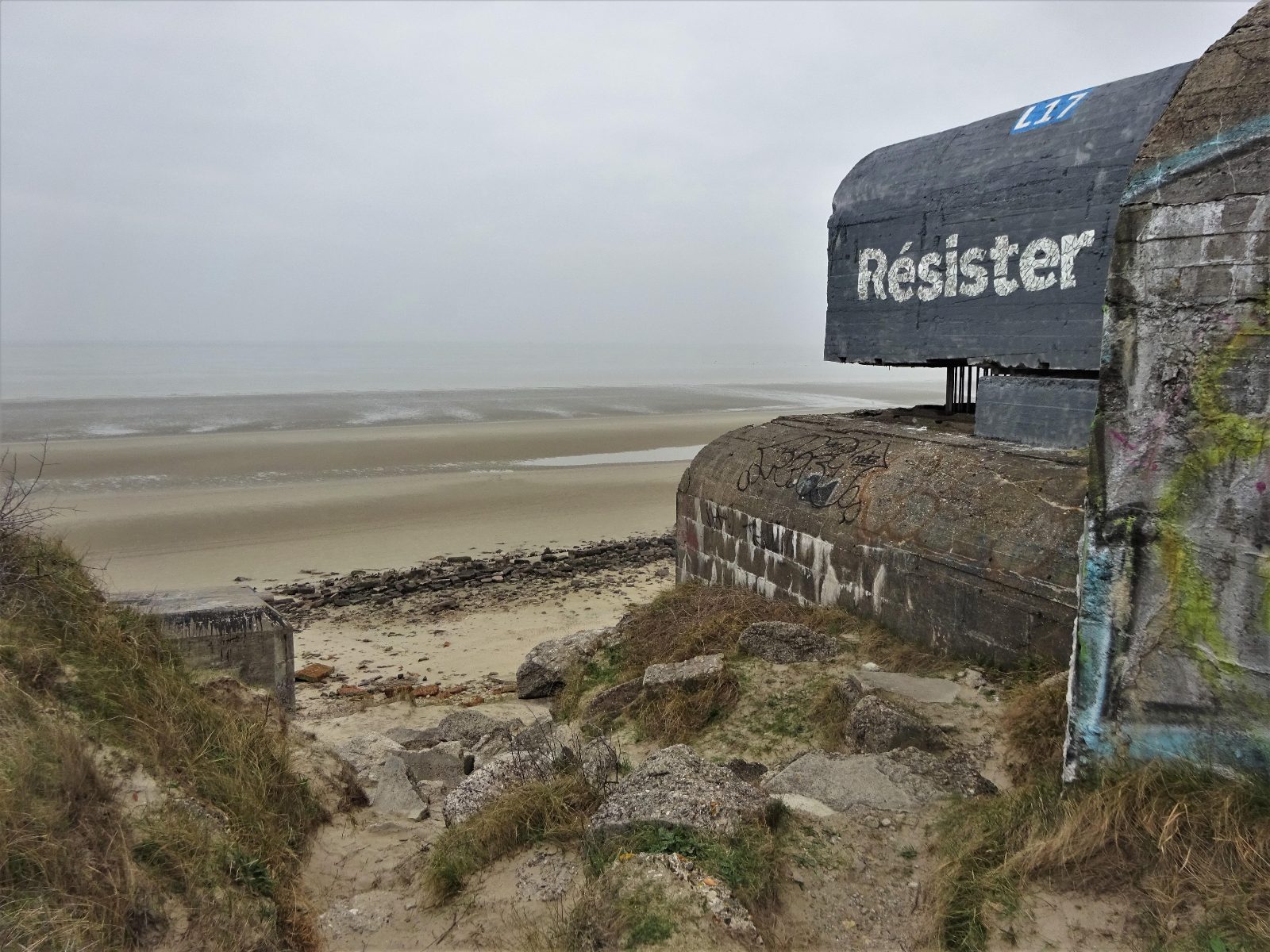
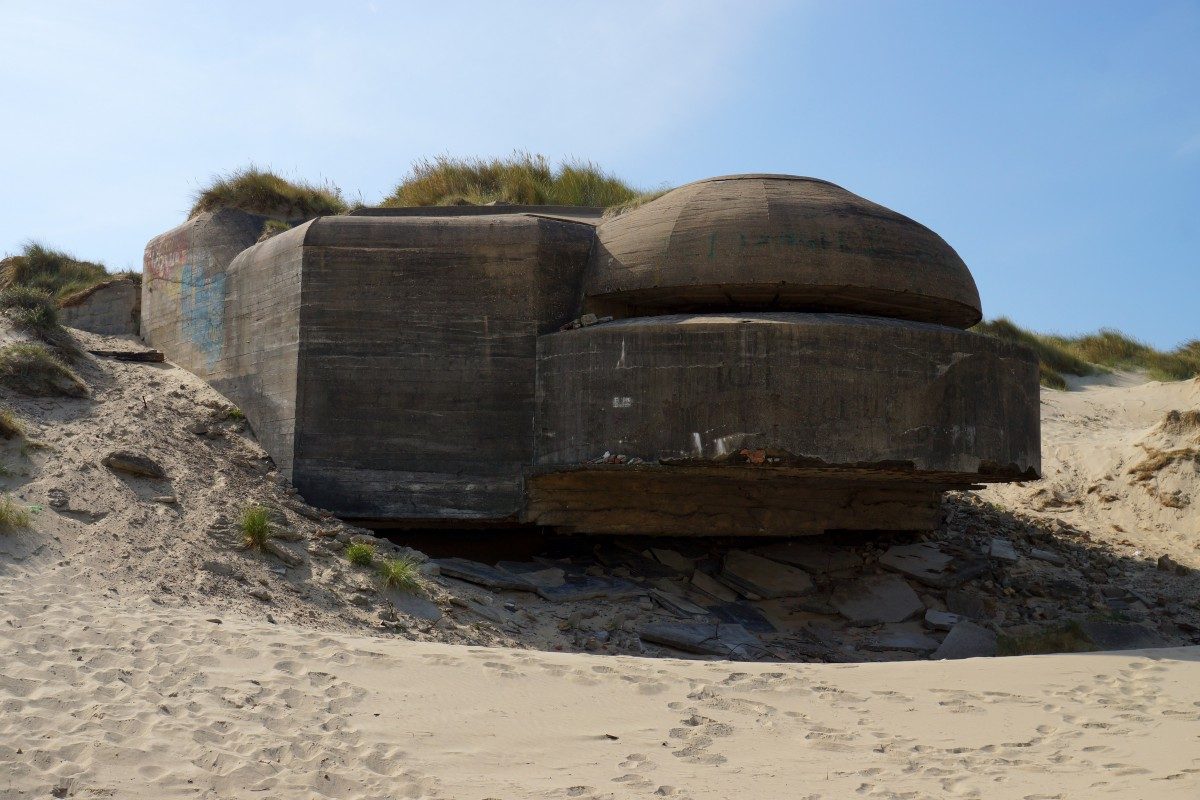
View the East Mole and German bunker remains.
Commemorates 4,528 soldiers with no known grave and contains 810 war graves.
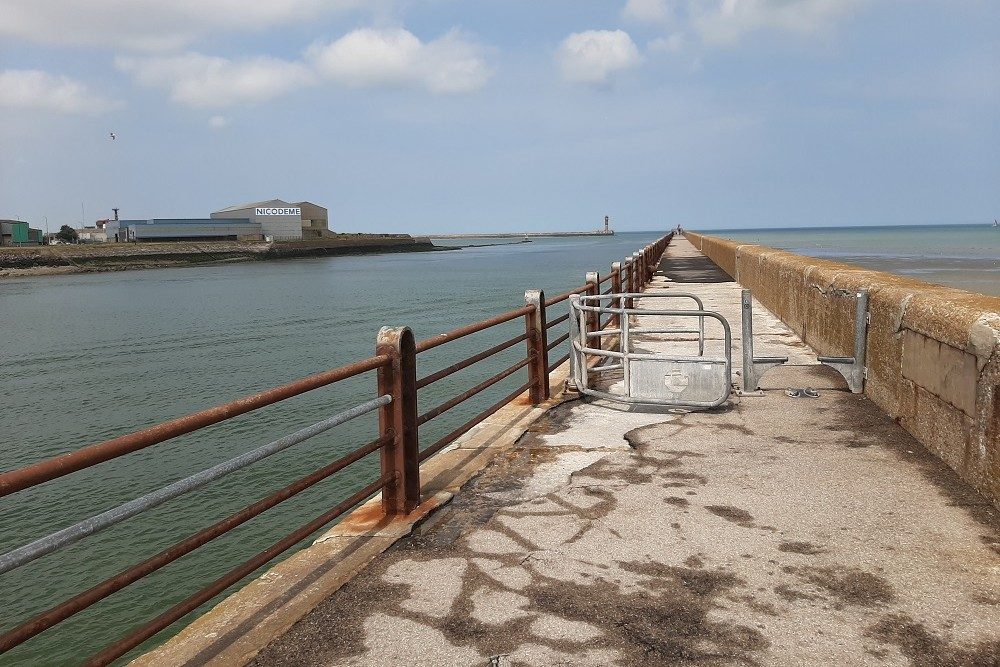
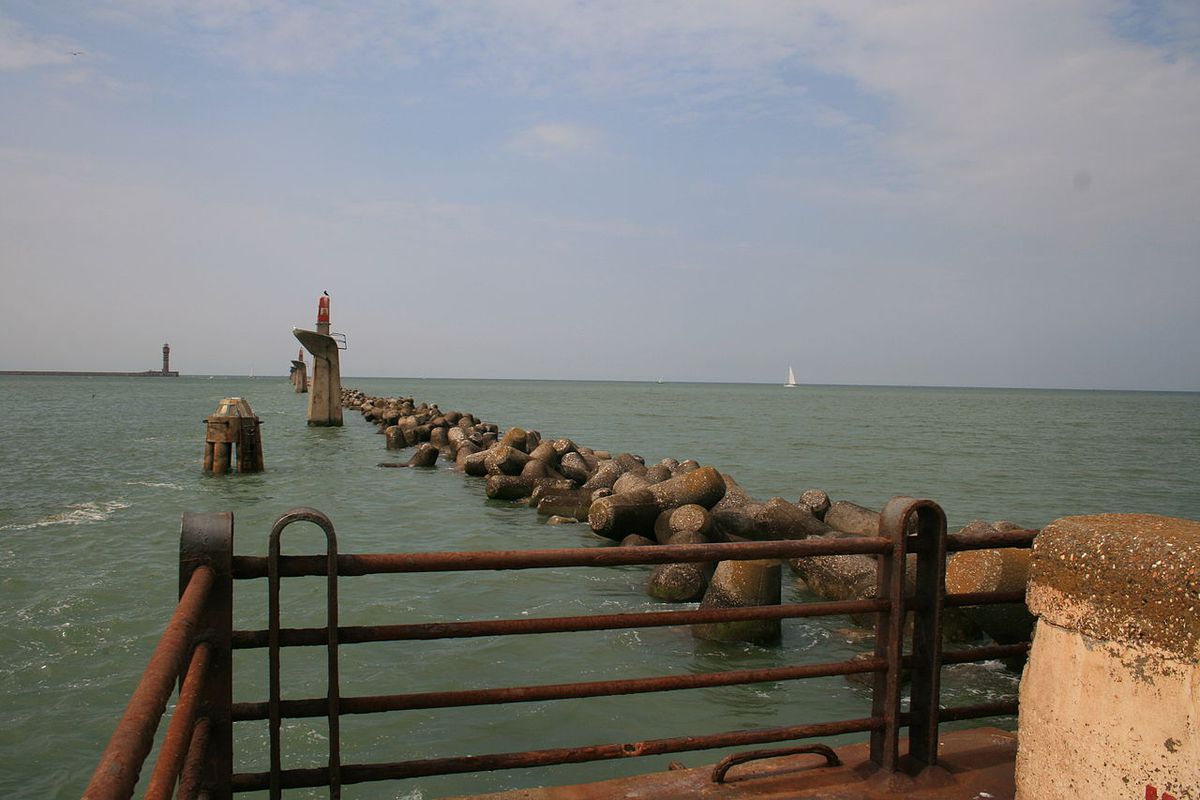
The vital jetty used during the evacuation to load thousands of Allied soldiers.
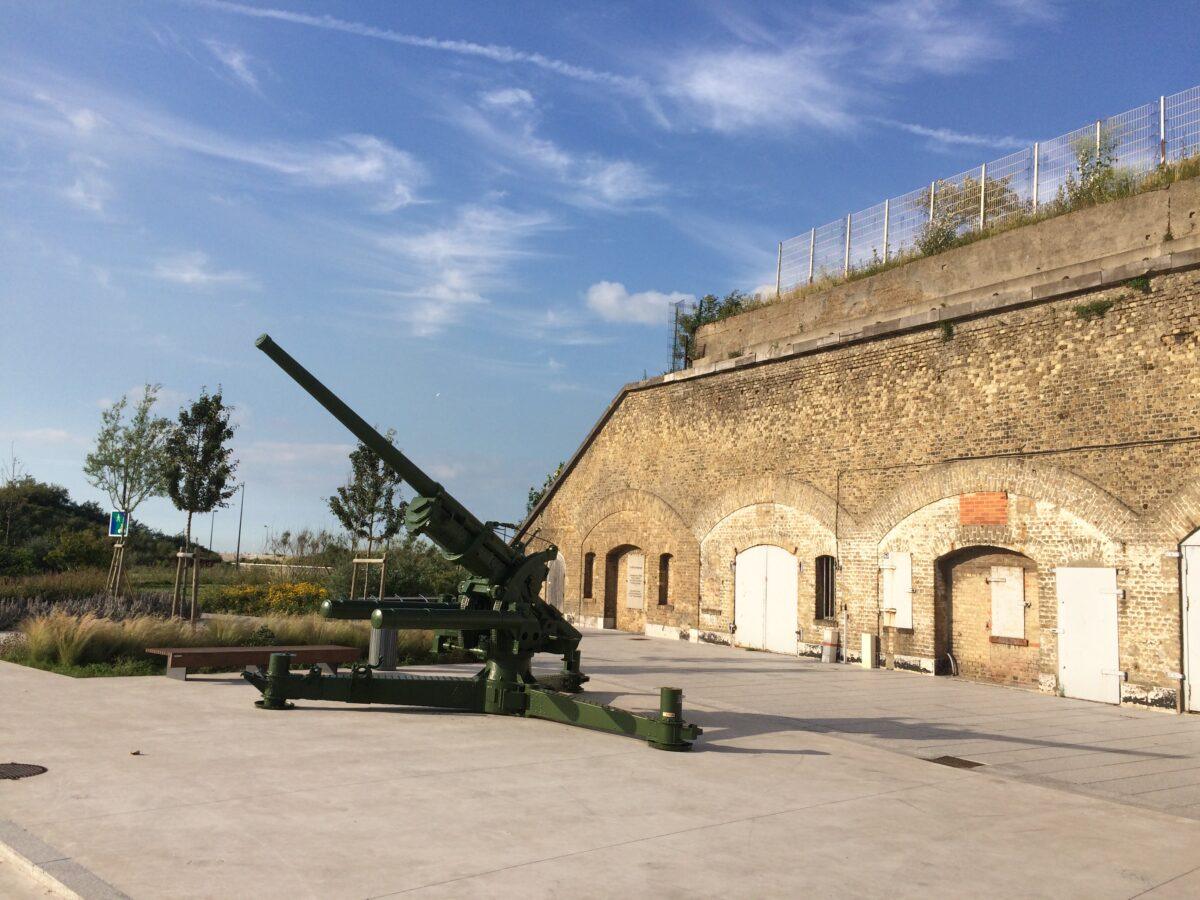
A preserved military fortification bunker located in the LAAC park area.
The original 1874 fortification that served as a command post during the battle.
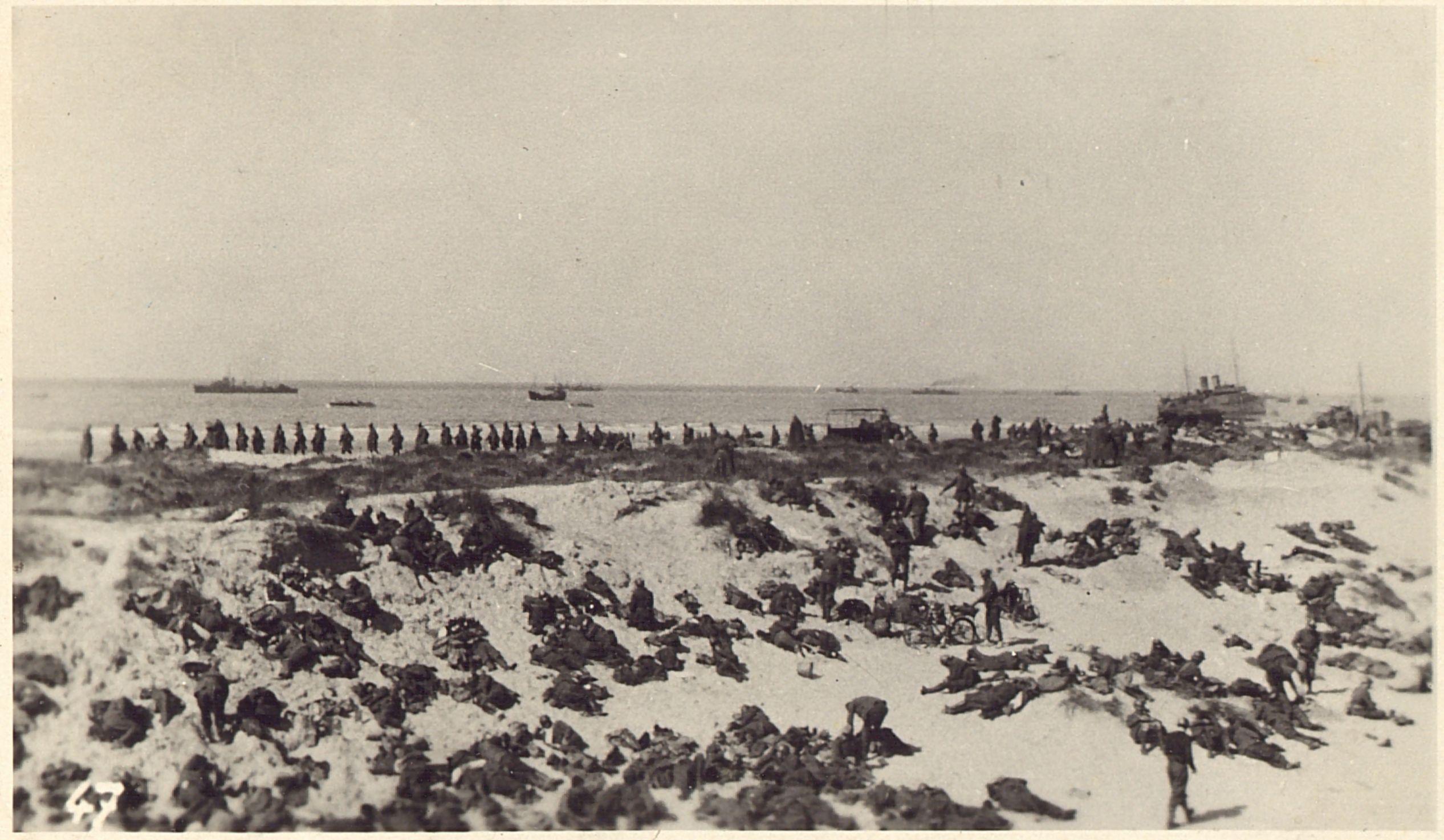
The wide, historic shoreline where hundreds of thousands of troops awaited rescue.
You start at the tourist office on Rue des Chantiers de France, where the private Dunkirk battlefield tours tours are dispatched: one flat rate of 160 EUR for the whole group, whether you are two people or seven. The guide asks what you already know.
Most visitors arrive wanting a battle of Dunkirk summary and leave carrying names instead — Abrial, Ramsay, the trawler skippers.
You drive first to Malo-les-Bains and step down onto the sand. At low tide it is hard and grey and you can walk two hundred metres out with the water still at your ankles, which explains the small boats and the stranded destroyers better than any map. Then east to Leffrinckoucke, where you climb the ramp into Fort des Dunes, put a hand on brick still pitted by shellfire, and stop at the execution wall.
At Bray-Dunes you scramble up a dune and find a blockhouse tipped nose-first into the sand, its firing slit half-choked with marram grass. The last stop is the town cemetery, where you read panel after panel of the memorial and start doing arithmetic you cannot finish. Arrive in the morning and the light stays behind you on the beaches. You end where the mole ran out, looking at water that is only ever twenty miles wide.
All the details about your upcoming adventure in one place
Dunkirk battlefield tours trace the Operation Dynamo evacuation across the Mole, the wide tidal beaches of Malo-les-Bains and Bray-Dunes, and the defensive perimeter held along the Bergues canal line. Guides pair archive photographs with surviving bunkers, the Fort des Dunes, and the Commonwealth War Graves cemetery so the ground itself explains what happened in May and June 1940. Small-group Dunkirk battlefield tours tickets include transport between coastal sites, entry to the Dynamo museum, and headsets for clear commentary outdoors.
The East Mole at Dunkerque was never designed for boarding troops. It was a breakwater: a walkway of timber and concrete, roughly 1,400 metres long, wide enough for three men abreast. Between 26 May and 4 June 1940, close to 200,000 soldiers filed along it under bombardment.
Dunkirk battlefield tours still begin where that structure reached into the Channel.
Little of the action took place in the town square. The defensive perimeter ran some fifty kilometres, from Gravelines in the west to Nieuwpoort over the Belgian border, and the evacuation beaches stretched east through Malo-les-Bains, Leffrinckoucke, Zuydcoote and Bray-Dunes. Guides working this coast field the same questions every morning: the battle of Dunkirk date, a battle of Dunkirk summary brief enough to hold in the head, and whether Dunkirk is worth visiting when so much of the surface has been rebuilt. The dunes answer that last one. They have not moved.
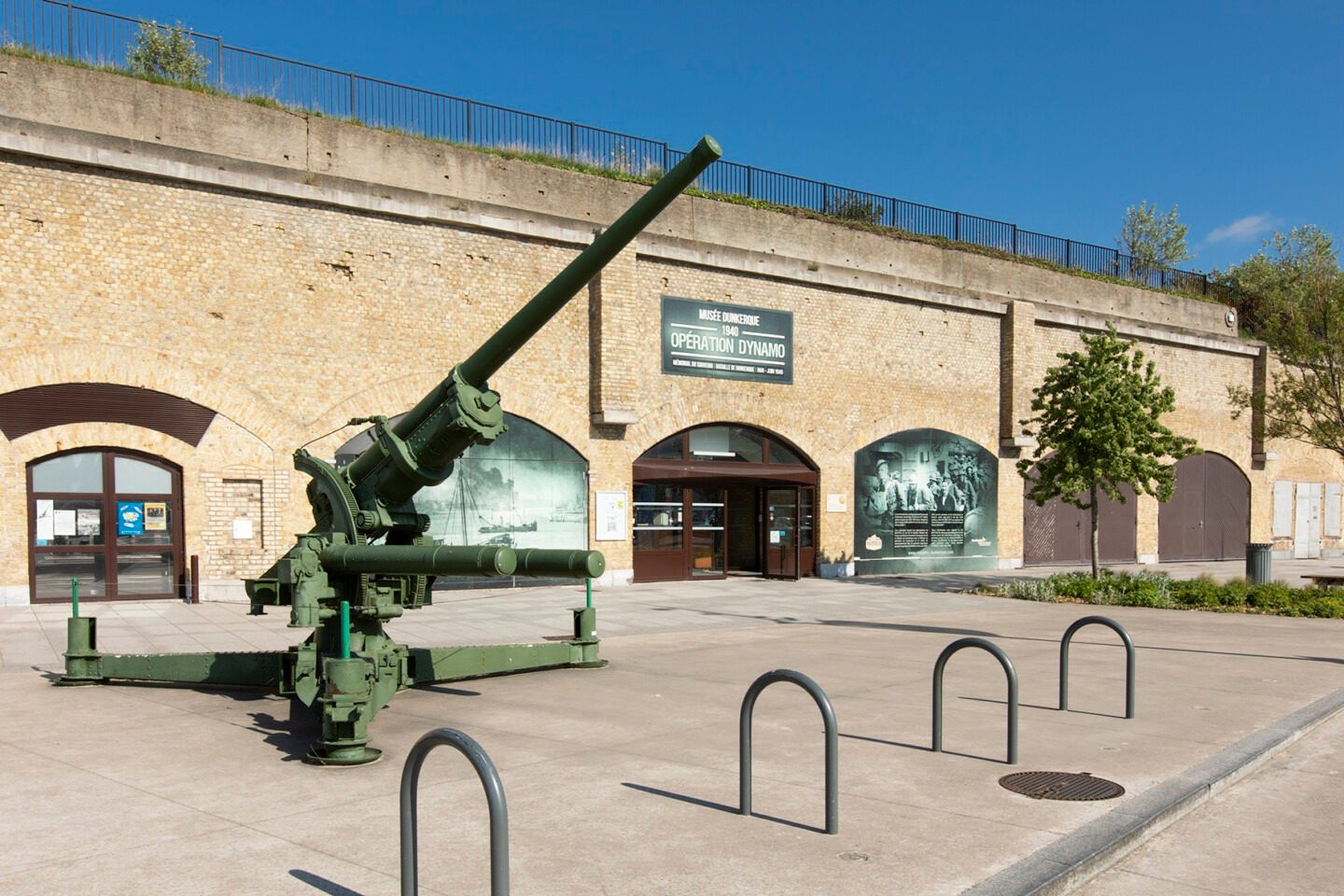
The physical evidence survives in three registers. Bastion 32, a nineteenth-century earthwork at the edge of the docks, served as headquarters for Admiral Abrial and the French command, and now houses the Musée Dunkerque 1940 – Opération Dynamo. Most Dunkirk battlefield tours tickets cover the ground around it. Fort des Dunes at Leffrinckoucke, raised between 1878 and 1880 under the Séré de Rivières programme, keeps its brick casemates and the courtyard where French soldiers were shot in June 1940. At the town cemetery stands the Dunkirk Memorial, Philip Hepworth's colonnade, cut with roughly 4,500 Commonwealth names that have no grave.
What remains is a working coast rather than a preserved one. Dunkerque is France's third-largest port, and container gantries now stand where hospital ships once loaded. German blockhouses from the later Atlantic Wall lie half-buried at Mardyck and Zuydcoote, tilted by decades of drifting sand. Visites des champs de bataille de Dunkerque, as the local operators list them, treat these Dunkirk WWII landmarks as one continuous document rather than separate sites. A Dunkirk battlefield tours tour reads the shore as a palimpsest: 1940 beneath 1944 beneath the ferry terminal. The Channel stays in view at almost every stop, grey and unremarkable, and closer than most visitors expect.

The dunes answer the question the town no longer can — they have not moved.
Casual and comfortable clothing is recommended for your dunkirk battlefield tours. Wear sturdy walking shoes as the itinerary includes beach areas and memorial grounds.
Small personal bags are permitted on these dunkirk battlefield tours. Ensure you have your booking confirmation ready for your guide upon arrival at the Office de Tourisme de Dunkerque.
Photography is encouraged throughout your dunkirk battlefield tours. Please be respectful when taking photos at the British Memorial and Cemetery.
These dunkirk battlefield tours are suitable for families with older children interested in history. Private scheduling allows for a paced experience comfortable for all ages.
The guided driving portion of these dunkirk battlefield tours is accessible. Please note that sand dunes and specific memorial footpaths may be challenging for wheelchair users.
Complimentary bottled water is provided during your private dunkirk battlefield tour. Meals are not included, but the guide can recommend local dining spots in Dunkirk.
Opening hours
09:00–18:00 daily
Address
Office de Tourisme de Dunkerque, 1874 Rue des Chantiers de France, 59140 Dunkerque, France
Accessibility
Wheelchair accessible in private vehicles
Best arrival
09:00–14:00
Storage
Not available on-site
Meeting point
Dunkerque 1940 - Operation Dynamo Museum parking
Public transport · 20 min · Free
Lines C1 or C2 connect the city center to coastal sites.
Car · Varies · Free parking on-site
Follow signs for Dunkerque Port to reach the meeting point.
You can cancel up to 24 hours in advance for a full refund. The flat rate for private dunkirk battlefield tours service is 160 EUR per group.
Recommended time
2 hours
To experience the historical significance of the region, we recommend arriving between 09:00 and 14:00 to ensure enough daylight for the full 2-hour guided itinerary. Opting for these dunkirk battlefield tours early in the day helps visitors avoid mid-afternoon crowds while navigating the coastal bunkers and Operation Dynamo sites. Securing your dunkirk battlefield tours tickets for an morning slot allows for a seamless exploration of these somber military landmarks. Planning your dunkirk battlefield tours tour during these hours provides the most consistent experience for those interested in World War II history.
Crowd levels through the day
Weather · crowds · average price — dots go green to amber to red as each metric rises.
Mild temperatures perfect for walking beaches and visiting memorials. The city is quiet and ideal for history enthusiasts.
Warmest weather for your visit, with long daylight hours. Perfect for 2-hour dunkirk battlefield tours.
Cooler, crisp days suitable for outdoor tours. Fewer tourists at major landmarks.
Often windy and cold, though museums remain open for indoor exploration.
Secure your private dunkirk battlefield tours slot at least one week in advance during summer.
Request specific film locations from the movie Dunkirk when booking.
The coastal wind can be strong even in August, so bring a jacket.
Your guide is a local expert; engage them on the specifics of Operation Dynamo.
Staying in the city center makes meeting your guide for morning tours seamless.
1874 Rue des Chantiers de France
Parking lot in front of the Operation Dynamo Museum
Get directionsThe port of Dunkerque fell into strategic crisis in May 1940. German armoured divisions reached the Channel coast at Abbeville on 20 May, severing the Allied armies. Some 400,000 British, French and Belgian troops were pressed into a shrinking perimeter behind the Aa canal line. On 24 May, Gerd von Rundstedt issued the halt order that paused the panzers before the waterlogged Flanders terrain. Those four days determined what followed. Modern dunkirk battlefield tours begin from this decision, because the ground itself — dykes, sluices and flooded polder — explains it better than any map. Operation Dynamo opened on 26 May 1940, directed by Vice-Admiral Bertram Ramsay from a tunnel beneath Dover Castle. Planners expected 45,000 men. Between 26 May and 4 June, 338,226 were lifted. The East Mole, a narrow breakwater never designed for berthing, carried roughly two-thirds of that total. Around 850 vessels took part, among them the requisitioned civilian craft remembered as the Little Ships. The French 68th Infantry Division and the garrison at Lille held the flanks; some 40,000 French soldiers were captured when the perimeter closed. Nine destroyers were lost. A Dunkirk WWII guided tour today traces the rear-guard line at Bergues, Wormhout and the Bray-Dunes shoreline. The town paid heavily. Luftwaffe bombing destroyed an estimated 80 percent of Dunkerque, and the reconstruction of the 1950s under architect Théodore Leveau reshaped the centre entirely. Fortifications endured longer: the Bastion 32 command post, where Admiral Jean-Marie Abrial surrendered on 4 June 1940, survives and now anchors the Musée Dunkerque 1940. Vauban's seventeenth-century ramparts at Bergues still stand. Along the coast, Atlantic Wall bunkers, gun emplacements and the Zuydcoote dunes remain legible, which is why dunkirk battlefield tours tickets are usually purchased for a guided rather than a self-directed visit. Interpretation has shifted since 1940. British accounts long emphasised the 'Dunkirk spirit'; French historians stress the sacrifice that bought the evacuation its time. A well-run dunkirk battlefield tours tour holds both accounts together. Booking a dunkirk battlefield tours tours departure through the Office de Tourisme de Dunkerque at 1874 Rue des Chantiers de France links the beaches, the mole and the memorials into one continuous account of the campaign.
Vauban began fortifying Dunkerque and nearby Bergues after France purchased the port from England.
Allied forces besieged Dunkerque during the Flanders campaign and were repulsed at Hondschoote.
German armour reached the Channel at Abbeville, cutting off the Allied northern armies.
Von Rundstedt's halt order paused the panzer advance short of the Dunkerque perimeter.
Operation Dynamo commenced under Vice-Admiral Bertram Ramsay, directed from Dover Castle.
The evacuation ended after 338,226 troops were lifted; Admiral Abrial surrendered at Bastion 32.
Reconstruction under architect Théodore Leveau rebuilt a town centre roughly 80 percent destroyed.
Bastion 32 reopened as the Musée Dunkerque 1940, anchoring guided tours of the perimeter and coastline.
Position your camera along the promenade to capture the expansive horizon where Operation Dynamo took place, often utilizing the Dunkirk battlefield tours to frame the connection between the modern resort and the historic shoreline.
Stand near the entrance of this preserved fortification to capture the textured concrete against the shifting coastal light, highlighting the grim reality of the site during these dunkirk battlefield tours tours.
Focus on the architectural details of the building facade which houses artifacts from the 1940 evacuation, a key stop for those securing dunkirk battlefield tours tickets.
Walk toward the end of the jetty to shoot back toward the harbor, providing a perspective similar to the evacuation ships that participated in this essential dunkirk battlefield tours tour.
Visitors participating in dunkirk battlefield tours will find a variety of brasseries and traditional estaminets near the Office de Tourisme, perfect for enjoying regional Flemish cuisine after your journey. Many local spots offer hearty seafood and stews within a short walk of the waterfront, making it easy to grab a meal before or after your dunkirk battlefield tours tour.
Located a short walk from the center, this highly-rated spot serves classic regional dishes like carbonnade flamande in a warm atmosphere.;Au Grand Morien
Real experiences from real travelers
The guide walked us along Bray-Dunes at low tide and showed where the queues formed out in the water. Our dunkirk battlefield tours guide carried period photographs that lined up exactly with the horizon in front of us. Wind came off the Channel all morning, so bring a windbreaker even in July.
We booked the Dunkerque battlefield tour mainly for Bastion 32, and standing in the command bunker made the scale of Operation Dynamo land properly. The concrete stays cold even in June and the corridors smell of damp chalk. Our guide moved between French and English without losing the thread.
Much of the day is spent outdoors on sand and dunes, so wear proper shoes rather than trainers. The dunkirk battlefield tours tickets were simple to arrange online and the meeting point near the Musée Dunkerque 1940 was easy to find. I would have liked a little longer at the Allied cemetery at Zuydcoote.
Seeing what remains of the east mole under flat grey light was quieter than I expected, just gulls and a container ship on the horizon. Les circuits de la bataille de Dunkerque cover a lot of ground between the harbour and Malo-les-Bains. The small group meant everyone could still hear the guide over the wind.
March light on the sand was pale and low, which suited the subject. A dunkirk battlefield tours tour gave me context I never got from films, especially about the shallow gradient that kept larger vessels offshore. The guide passed around a folder of little ships photographs while we stood at the waterline.
My grandfather was lifted off these sands in 1940 and I finally walked them in a raw February wind. Our guide worked out the approximate sector from his regiment records and then gave us space to stand there alone for a while. Dunkirk landmarks such as the memorial and the dune blockhouses are spread out, so the minibus legs matter more than I assumed.
Low winter sun turned the blockhouses at Zuydcoote into long shadows across the marram grass. Among the dunkirk battlefield tours we compared, this one kept us outdoors rather than sitting in a coach. Take gloves, because the wind off the Channel does not let up.
There is more walking on soft sand than it sounds like, and it catches up with you. The Operation Dynamo sites are genuinely moving, and the guide handled questions about the rearguard actions with care. A skip-the-line Dunkirk museum entry was included, which spared us a queue on a wet afternoon.
Our guide traced the perimeter from the inland canals back to the harbour, and the map finally made sense. Booking dunkirk battlefield tours ahead is sensible in high summer because the groups stay small. The evacuation beaches were full of kite surfers, which made the contrast strange and hard to shake.
Everything you need to know for your journey
The tourist office is open 09:00–18:00 daily.
The tour itself is accessible, but some memorial sites may have uneven ground.
Prohibited items include large bags, weapons, and drones.
Photography is encouraged during your dunkirk battlefield tours.
The best time for dunkirk battlefield tours is summer for ideal daylight and weather.
Casual clothes and comfortable walking shoes are recommended.
Meals are not included, but your guide can recommend local restaurants.
The meeting point is at 1874 Rue des Chantiers de France in Dunkirk.
Yes, these tours are family-friendly and highly educational for children.
You may cancel your dunkirk battlefield tours up to 24 hours prior for a full refund.
Yes, you can easily combine your tour with a visit to the nearby Musée Dunkerque 1940.
Housed in an 1874 bastion, this site provides deep context for your dunkirk battlefield tours.
A UNESCO-listed landmark offering panoramic views of the city.
A contemporary art museum located in a park with German bunker remnants.
The expansive sandy beach central to the Operation Dynamo evacuation.
Seaside hotel with easy access to memorial sites.
Charming central accommodation near the tourist office.
Wide selection of hotels within walking distance of the tour start.
Join thousands of happy travelers who have discovered this incredible experience
Book Your Experience Now